
A lesson from bees
(A tale with a sting)

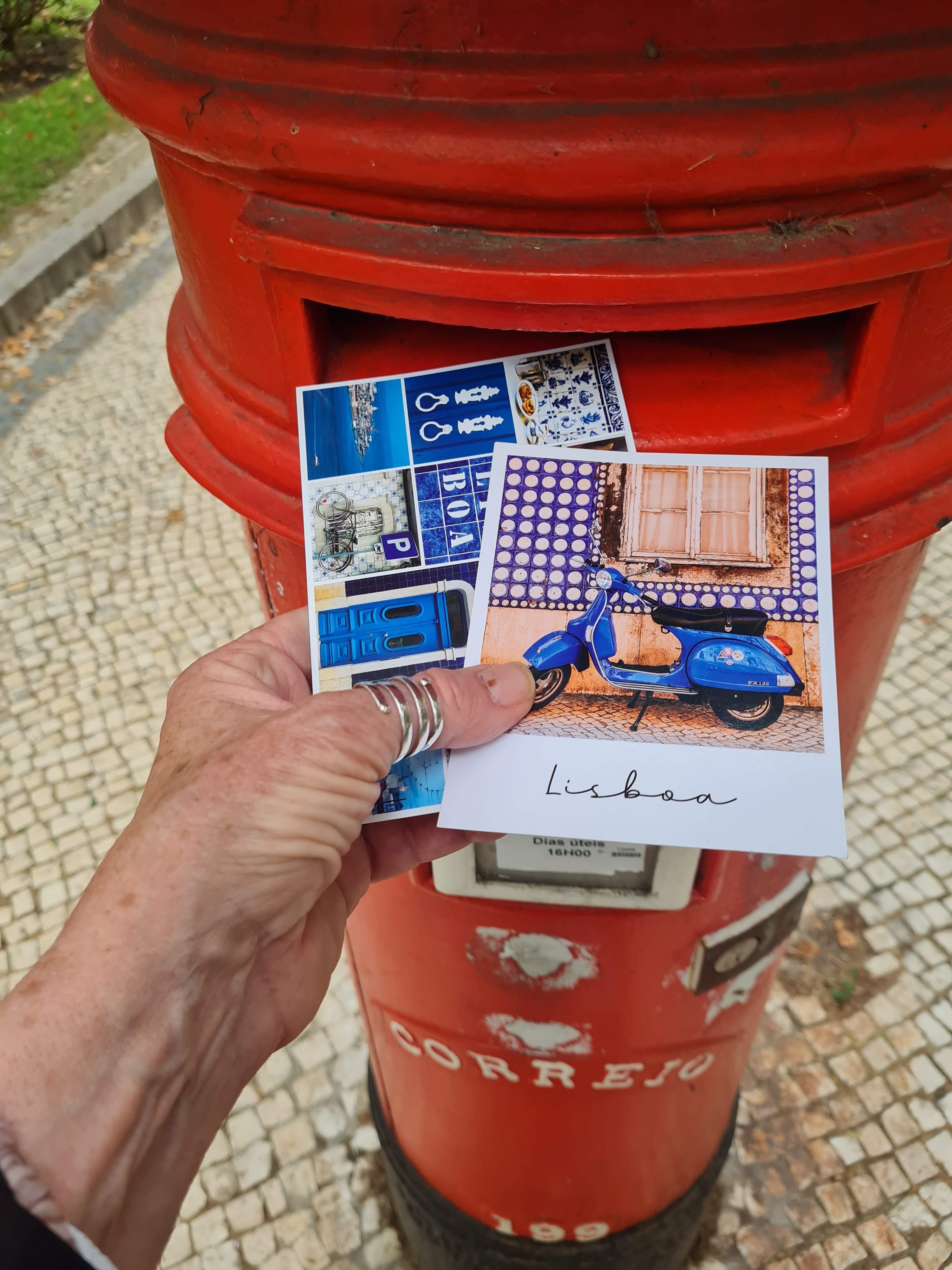
I wanted to call this one Post(cards) from Portugal, but then the bees intervened. And when bees bring you a message, you better listen. In Ancient Egyptian mythology bees were believed to emerge from the tears of the sun god Ra, making them divine messengers between the gods and humanity. So now I´m writing about bees and refugees. And honey.
Imagine the scenario. We arrive back home on Sunday night after a week of work and play in Portugal, exhausted because we´ve been up since 3 am, travelling in taxis, trains and planes for the whole day, drenched in sweat because of a record-breaking heat wave sweeping through France, dazed and drugged because we both caught a nasty cold which we´ve been trying to contain with too many pills. And relieved, oh so relieved, that we can finally fall down on a bed and sleep.
But as we enter the kitchen we hear an ominous buzzing sound and walk into a welcome party of bees. We love bees, we´re concerned that they´re being driven to extinction, we definitely don´t want to kill them - but how do we stop them from taking over our house? They are not aggressive at all, more bewildered refugees than violent invaders, so we open windows and doors while we try to figure out where they all come from. We even manage to revive some who seem on the verge of dying by feeding them drops of water and honey as we gently guide them outside.
I get stung on both hands during the rescue operation, only because I touch surfaces with dying bees before I notice them, so I refuse to blame them. At last we realise they come from the extraction fan above the stove and when we check the outlet of the fan in the thick stone wall outside, we discover an alarming number of bees obviously intent on building a hive in this little hollow. We switch on the extraction fan in the hope of blowing them out, and it seems to work, but the moment we switch off the fan, they return.
After two or three hours and a few more stings, we are too tired, ill and miserable to continue the struggle. We leave the extraction fan on at full blast and go to bed, closing the bedroom door to make sure they don´t bother us while we sleep. I dream of bees, of course. Of bees and of refugees and of books about bees and refugees.
Christy Lefteri´s The Beekeeper of Aleppo is a compassionate novel about Syrian refugees published to high acclaim in 2019. I read it with particular attention since I was supposed to be on a panel with the author at the Stellenbosch Woordfees in March 2020. The day before the panel discussion Lefteri had to cancel her flight to South Africa because of the Covid-19 panic spreading in Europe – while most of us at the arts festival in Stellenbosch were still hoping it would all blow over soon. Little did we know what lay ahead.
I´m still sorry that I never got to meet Christy Lefteri – almost as sorry as I am about a Nick Cave concert in Paris (for which I´d obtained tickets a year ahead) that was also cancelled due to the pandemic. There is a time and a tide in the affairs of men, as Shakespeare noted, and that terrible Covid tide swept away some once-in-a-lifetime opportunities for many of us.
But almost twenty years before The Beekeeper of Aleppo I was already enchanted by bees in literature when I read Sue Monk Kidd´s 2001 novel The Secret Life of Bees. It is also a sort of refugee story, about a teenage girl who flees from her abusive father in the company of their black domestic worker, set in the civil-rights era of the sixties in South Carolina. They find refuge with three sisters, who are all beekeepers and makers of honey, and the teenage Lily begins to learn the secrets of beekeeping - as well as a few closely guarded secrets surrounding her dead mother.
You cannot read stories like these without becoming fascinated with bees – at least not if you get drawn into stories as eagerly as me - but the most obvious reason for my love of bees is probably that my French partner is crazy about honey. I also like honey, but he is a connoisseur who can become lyrical about the colour and odour and flavour of honey in the way that wine fanatics rant and rave about wine. (Or book fanatics like yours truly rave about books.)
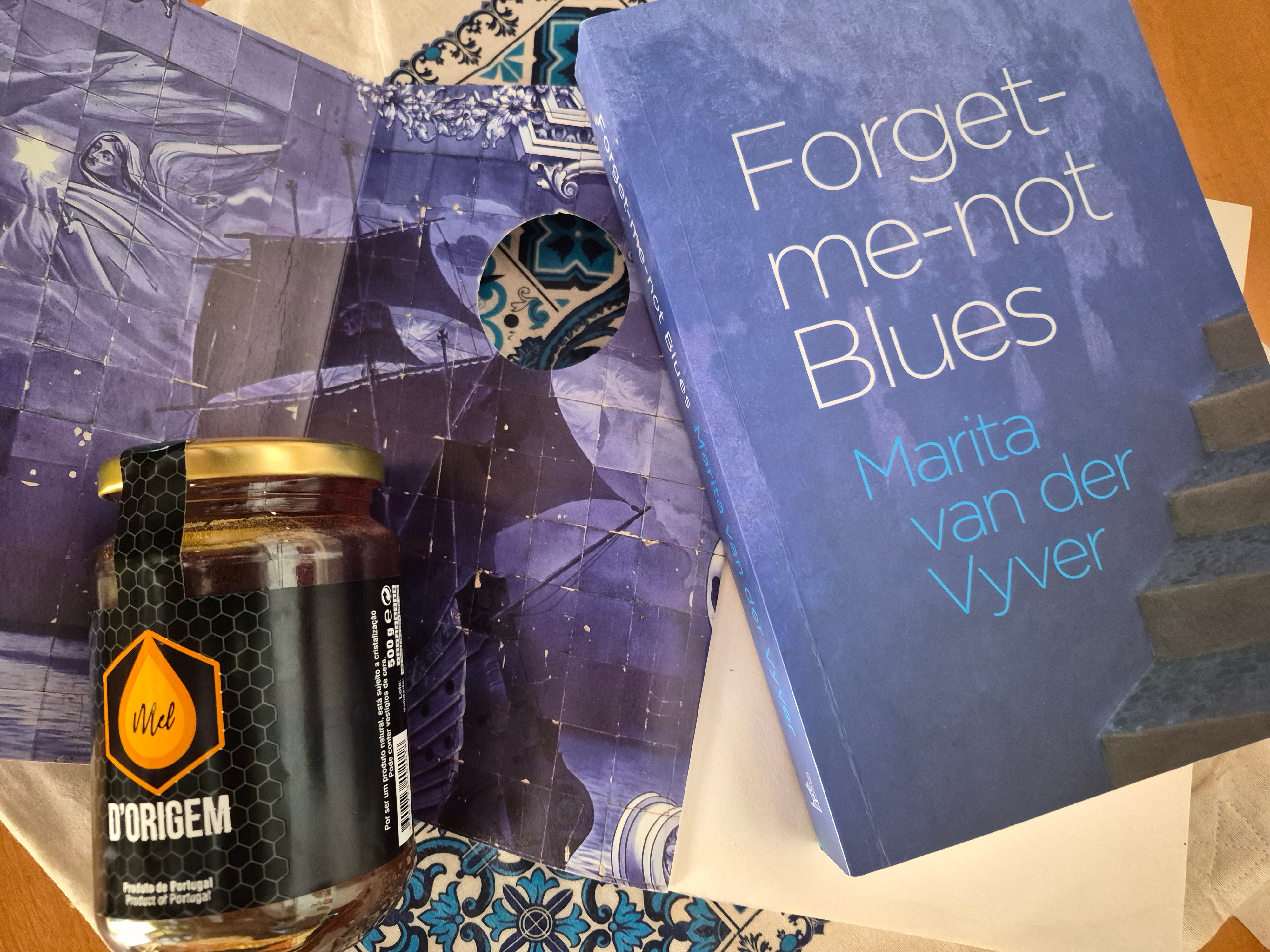
Wherever we travel, we try to taste local varieties of honey. Evidently we also tasted honey last week in Portugal, and even brought home a precious jar of rosemary honey from the Douro valley. That first night we were too tired to unpack our baggage, and the glass jar of golden honey stayed in a suitcase, carefully wrapped in clothes for protection, while the poor makers of honey were being blown out of our house. A strange irony that I just couldn´t wrap my head around, possibly reflecting the attitude of many well-meaning people towards refugees. We have empathy for their plight, we appreciate their labour and would love to help them, but we´re not willing to share our homes with them, are we? I know some saintly Samaritans who invite refugees into their homes in crisis situations, but it is always a temporary measure, until the refugees find a place of their own.
In short, if we had to choose between continuing to live in our house or abandoning it to the bees, we would get rid of the bees. This dawns on me the next morning when the bees return, in even greater numbers, shortly after we switch off the fan. We phone a local beekeeper from whom we sometimes buy honey at the village market to ask if he could perhaps remove the bees and resettle them elsewhere. He tells us he doesn´t resettle bees, but gives us the number of a fellow beekeeper in a neighbouring village who could do this. He also warns us that the bees have to be removed within 48 hours, otherwise it becomes impossible to resettle them and they´d have to be exterminated.
The thought of an extermination camp in our kitchen wall is too ghastly to contemplate. The other beekeeper can only come in two days´ time, too late to save the bees, but advises us to continue using the fan to drive them away again and then to quickly fill the cranny in the wall with plastic or whatever we can find. Apparently the queen bee secretes a powerful pheromone in a place she finds suitable for a hive, which then draws the other bees like addicts to a drug den. They will keep coming, even if it leads to their destruction, unless we can prevent them from entering.
The next couple of hours were spent trying out various traditional and old-fashioned repellent tips which we found on internet,. (The irony, oh the irony, once again.) We learned that bees dislike strong scents such as peppermint, citronella, cloves, burnt coffee, so the Frenchman burnt coffee on the stove right under the extraction fan, adding cloves and mint leaves for good measure, while I rescued another dozen of nearly dead bees by guiding them to the window with an egg lifter.
Ridiculous, in the grand scheme of things, and I certainly felt ridiculous each time I managed to coax a bee onto the egg lifter – but you do what you can, don´t you?
The first beekeeper called us later in the day to check up on the situation, and the second one popped in when he drove through the village on his way elsewhere, just to see if he could give us any further advice. I realised that beekeepers were indeed a special tribe, not just in the novels that I read. Fortunately we could give them both the good news that we seemed to have succeeded in driving out the swarm without unnecessary loss of life.
It is now 24 hours later and the bees haven´t returned. The heat wave is relentless and we haven´t recovered from our illness, but at least we´ve gathered enough energy to unpack our suitcases. Tomorrow we might even feel well enough to taste that Portuguese honey while thinking thankfully of the bees that made it.
Taste of the week: We tasted a variety of olive oils on a farm in the Douro valley, and the unexpected combination of rosemary honey on fresh bread drizzled with good olive oil was an exciting discovery. We were told that this honey is also excellent on toast with a few drops of olive oil and a sprinkling of cinnamon powder, making a yummy breakfast – another combination we´ll be trying out soon.
Yes, I actually wanted to dedicate this Substack post to all the culinary surprises of our Portuguese trip - following the fictional footsteps of characters from my novel Forget-Me-Not Blues (Die blou van onthou) with a group of readers - but I had to learn a few lessons from bees first. Next time I´ll write about encharcadas and bifanas and aleidas and other tasty delights.
Sight of the week: When you travel in a foreign country, every day can be filled with strange and often unforgettable sights. The Birdman near Porto´s Livrario Lello (voted the most beautiful bookshop in the world) is more fascinating than Lello´s sweeping red-carpeted staircase and stained-glass windows – and you don´t have to queue to see him. A gaunt-faced guy making music with a mechanical organ, windpipes and bells around his ankles, with live birds perched on a contraption of pipes and two chickens on his knees squawking when he touches them, he has become almost as much of a tourist attraction as the bookshop. I saw him two years ago when I spent a few days in Porto, but I can´t remember the musical chickens. Maybe he was still training them at that stage? Anyway, it remains a quirky busking act, hard to resist among so many other predictable street performances.
Word of the week: Saudade, that untranslatable Portuguese word describing `the love that remains´ after someone or something is gone, a nostaligic or melancholic longing to be near again to someone or something that has been loved and lost. After we enjoyed an evening of melancholic fado music in Lisbon´s Alfama district, one of the members of my group realised that he´d lost his iPhone somewhere in the streets. Two days later he claimed that saudade perfectly described the longing for his lost iPhone. Perhaps he was joking, perhaps not. We each have our own unique experience of saudade.
I absolutely adored reading The Secret Life of Bees, Sue Monk Kidd writes so beautifully.
I can propose another bee book for you: it’s called The Murmur of Bees by Sofia Segovia. The original is written in Spanish, but I think the English translation comes across exactly as it should: I found it a truly remarkable read.
The house I grew up in had cardboard walls. Bees routinely find themselves building a home in between those walls. In my childhood, the 80’s and 90’s 🙃, there was less hype about saving bees. My dad would have to routinely smoke them out.
These days it’s my brother living in the house. The bees still come and go but he’s found another solution. He now keeps hives on the house roof and along the way in the orchard and routinely has his beekeeper contact collect hose hives and spin him some jars. I brought a bottle back it’s me last trip home but I prefer jam in my morning toast, not honey so it’s taking a while to finish up. Your essay has prompted me to have toast and honest for breakfast now!
Goodness! Glad you weren’t more stung! Would have loved to have joined you on Portugal trip. Hoping for another time. 🙏